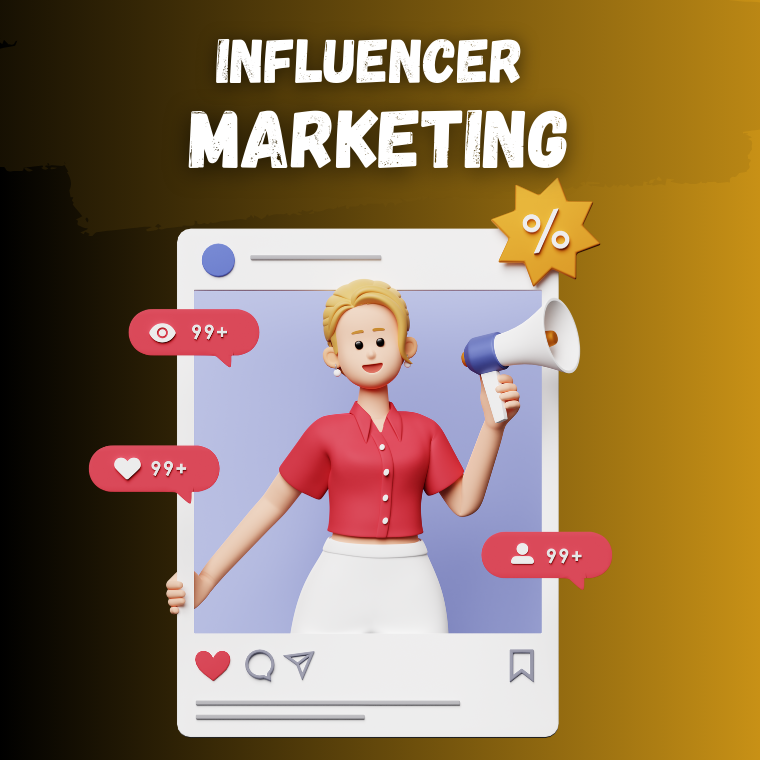
Influencer and Collaboration-Based Lead Generation
One of the most human-centric digital marketing tactics of 2025 is influencer and partnership-driven lead generation, which emphasizes establishing sincere connections between brands, reputable voices (also known as “influencers”), and their active communities. In terms of engagement and conversion rates, this strategy frequently outperforms traditional advertising by leveraging the power of trust and genuine recommendations to draw in qualified leads.
Influencer & Partnership-Driven Lead Generation: What Is It?
Fundamentally, this tactic entails working with influencers—people who have devoted followings on social media sites like YouTube, Instagram, TikTok, or LinkedIn—to jointly produce and distribute offers or interesting content on behalf of a company. Brands gain from the influencer’s reputation and close relationship with followers when they collaborate authentically as opposed to through one-time promotions. This makes the influencer’s recommendations seem genuine and intimate rather than transactional.
How Partnerships Convert Leads
Instead of generic ads, brands collaborate with influencers to create tailored lead magnets. These include interactive quizzes, exclusive e-books, webinars, discount codes, or expert guides that meet a real need or interest of the influencer’s audience. These lead magnets, especially when co-created, reflect the influencer’s tone and expertise. This ensures the content resonates and generates genuine interest.
Micro-influencers, who have more focused niche communities, often achieve higher engagement and conversion rates than celebrity macro-influencers. This is because their audiences have stronger trust and shared interests. Partnership campaigns emphasize building relationships. The influencer and brand share values, create content together, and frequently engage directly with followers through comments, livestreams, or Q&A sessions. This interaction fosters a sense of belonging and advocacy for the brand.
Humanized Tactics and Real-World Impact
Brands offer the influencer’s followers something valuable, like an exclusive demo, early access, or useful insight, in exchange for contact information. This approach sparks genuine curiosity and goodwill. For example, tech startups might work with trusted TikTok creators for product walkthroughs. They guide viewers toward sign-up forms with clear calls to action. In B2B, brands team up with respected LinkedIn thought leaders to create in-depth guides or webinars that tackle specific industry problems. They capture leads through registrations.
Communities formed around shared influencer interests provide social proof through user-generated content, testimonials, and interactive story formats. This peer-to-peer validation builds both trust and conversion rates among new leads. Engagement metrics, like click-through and conversion rates, improve as a result, leading to better business outcomes. For instance, influencer-driven TikTok campaigns can increase leads by 25%.
Why It Matters in 2025
Consumers in 2025 seek authenticity. They distrust obvious brand messaging but respond well to real recommendations and community experiences. Influencer and partnership-driven lead generation relies on empathy, transparency, and beneficial collaboration. This approach rewards brands that emphasize trust and real value for both their partners and future customers.
By concentrating on targeted, relationship-based campaigns measured by engagement, conversion, and long-term customer value, brands can discover effective new growth channels while genuinely humanizing their digital marketing efforts.
Conclusion
This program by Abhijith K Freelance Digital Marketer this will help participants learn about the diverse roles required to drive high-quality leads through collaborative influencer marketing in 2025, including influencer research, effective campaign planning, on-platform and off-platform engagement strategies, as well as hands-on experience in campaign optimization and the fundamentals of digital storytelling.